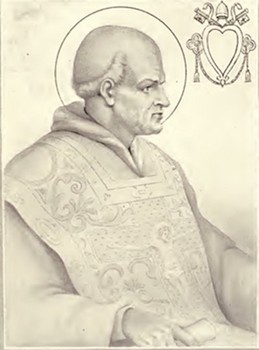
The Feast Day of St. John I is celebrated on May 18.
Pope John I was born in Tuscany, Italy. Little is known about his early life. He was elected pope one week after the death of his predecessor Hormisdas on August 13, 523.
There was great turmoil during the time of his election. The heresy of Arianism (the belief that Jesus was not divine) was causing persecution in many areas. Pope John was frail but he was the first pope to travel to Constantinople. He counseled the Byzantine emperor Justin, who persecuted heretics, to treat heretics with mercy. He celebrated Easter Mass in Constantinople before returning to Rome.
The king of Ostrogoths, Theodoric, was an Arian Christian. Because the edict against Arianism had not been lifted he became furious. While Pope John was returning to Rome, he had him kidnapped and imprisoned. St. John died in prison of thirst and starvation on May 18, 526. He is honored as a martyr.
When Doubting Thomas was refuted face to face, all mankind was given instruction.
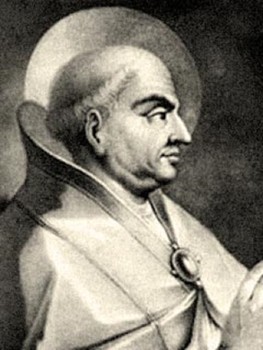
The Feast Day of St. Martin I is celebrated on April 13.
St. Martin was born in Tuscany, Italy in 316. He became a deacon serving in Rome. In the year 649 he was chosen as the 74th pope.
Pope Martin called the Lateran Council which condemned the heresy of Monothelitism, which claims Christ had no human will. The Lateran Council explained the two natures of Christ: both human and divine. This position put him in opposition to Paul the Patriarch of Constantinople.
Pope Martin was kidnapped while he was sick from the Lateran Basilica. He was tortured and imprisoned. He was condemned to death but at the last moment he was saved from execution by the repentance of the Patriarch. He was imprisoned instead and then exiled to an island which was suffering from a famine.
Pope Martin soon died in 655 from the effects of the torture and imprisonment. Pope Martin I is last martyred Pope.
“The trees stand as though dead, but these, though lifeless in the winter, are green in the spring, for God, knowing your disbelief, each year effects a resurrection in these visible things, that seeing what occurs in inanimate creatures, you may believe concerning the animate rational beings.”
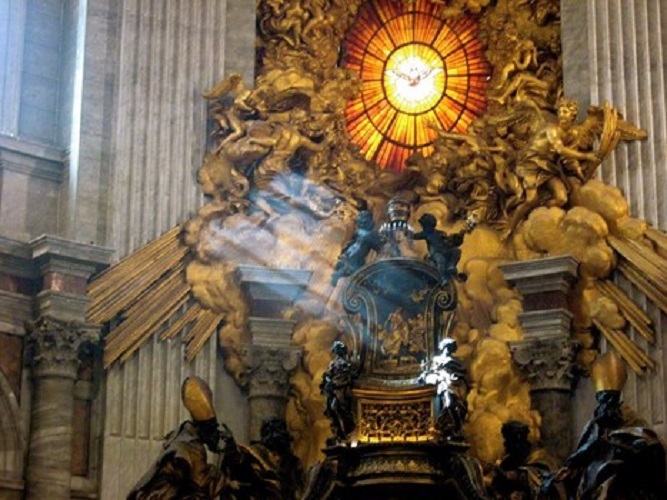
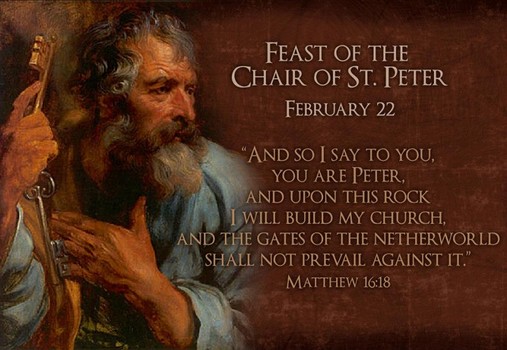
The Feast day of the Chair of Peter is celebrated on February 22. On this day we are reminded of the importance of unity in the church. The Lord himself entrusted the church to the authority of St. Peter.
The word Chair comes from the word “Cathedra” which also is the origin of the word Cathedral. A Cathedral is the church of the Bishop of a diocese. The Pope is also known as the “Vicar of Christ”. It is his duty to defend the faith from errors and teach the truth of the faith.
Because of the teaching authority of the Bishop of Rome, the followers of Jesus in the Catholic Church are united in their beliefs. We trust in the Holy Spirit to guide the Holy Father in directing the church. The beliefs of the Catholic Church are Apostolic. They can be traced back to Jesus and the Apostles.
St. Peter served as the leader of the Church from 33-64 A.D. He was crucified upside down in Rome. The Basilica of St. Peter is built over his grave site. When we accept the authority of the Bishop of Rome to teach the faith, we accept the words of Jesus in the Gospel of Matthew 16: 18-19.
“And so I tell you, “You are Peter, and upon this rock, I will build my Church, and the gates of hell shall not prevail against it. I will give you the keys of the kingdom of heaven. Whatever you bind on earth shall be bound in heaven; and whatever you loose on earth shall be loosed in heaven.”
“Ten thousand difficulties do not make one doubt.”