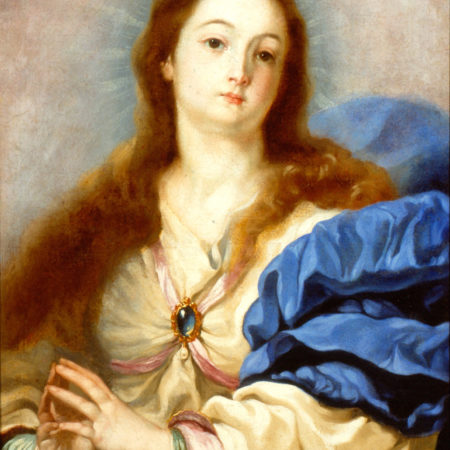
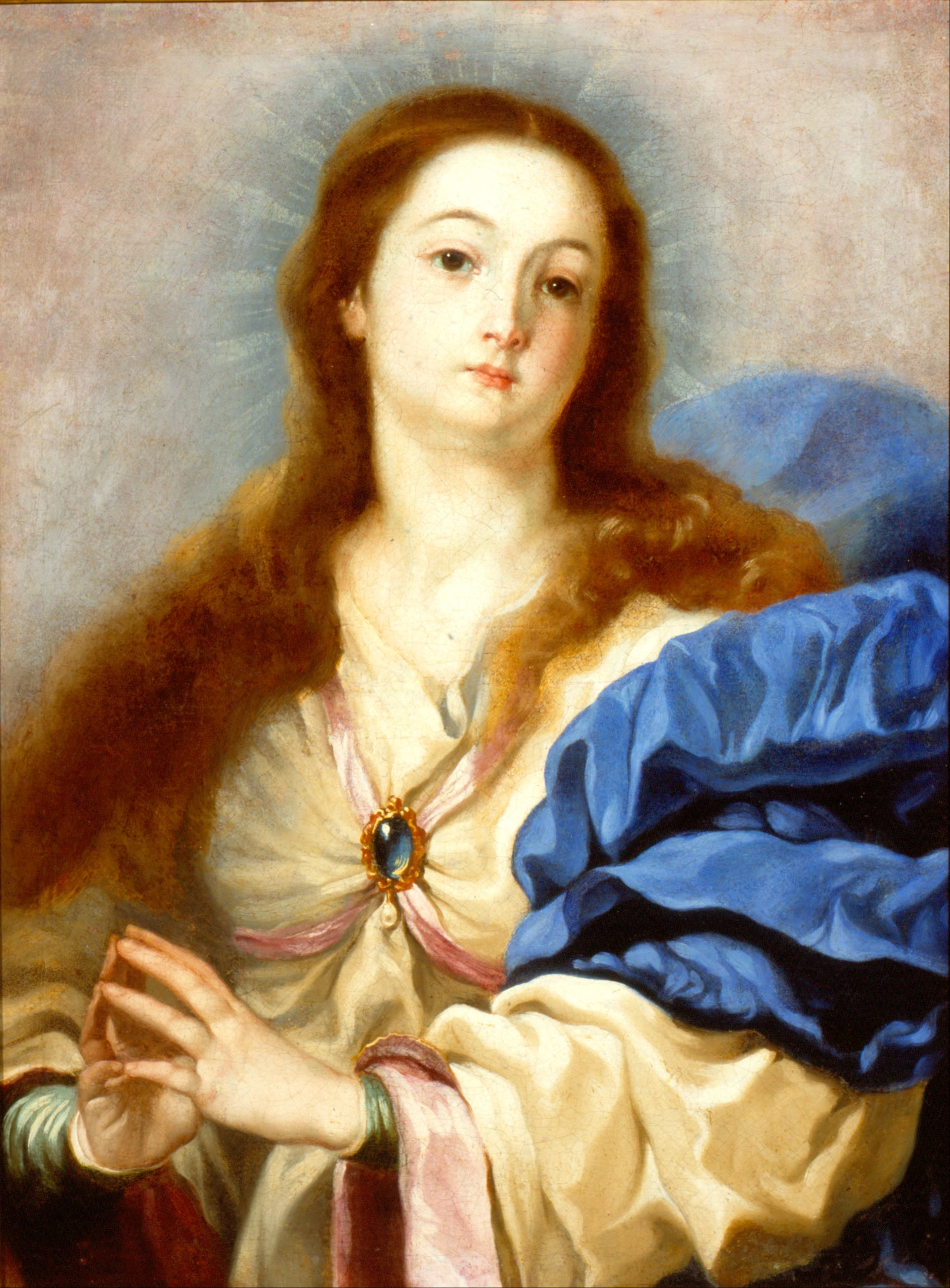
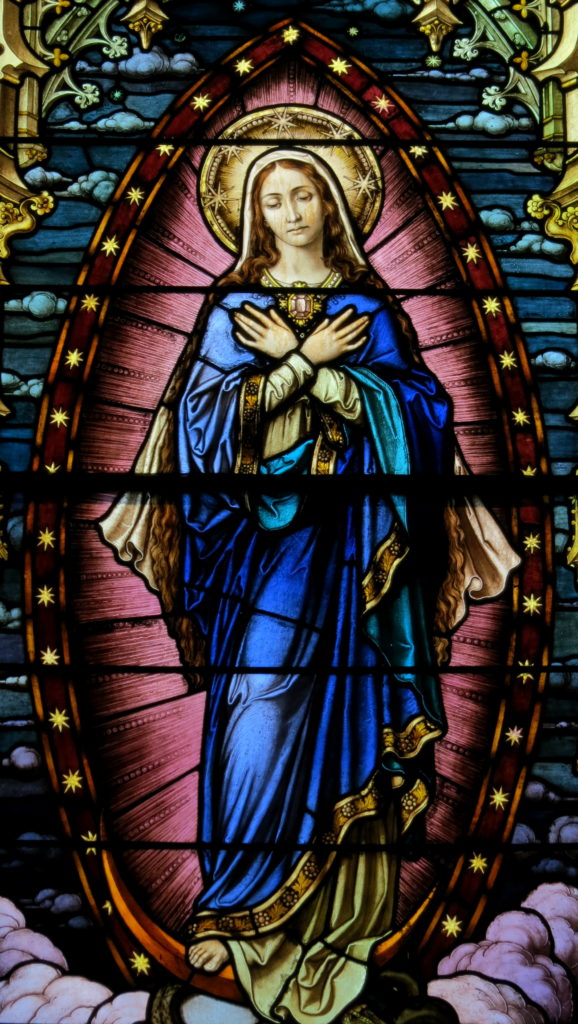
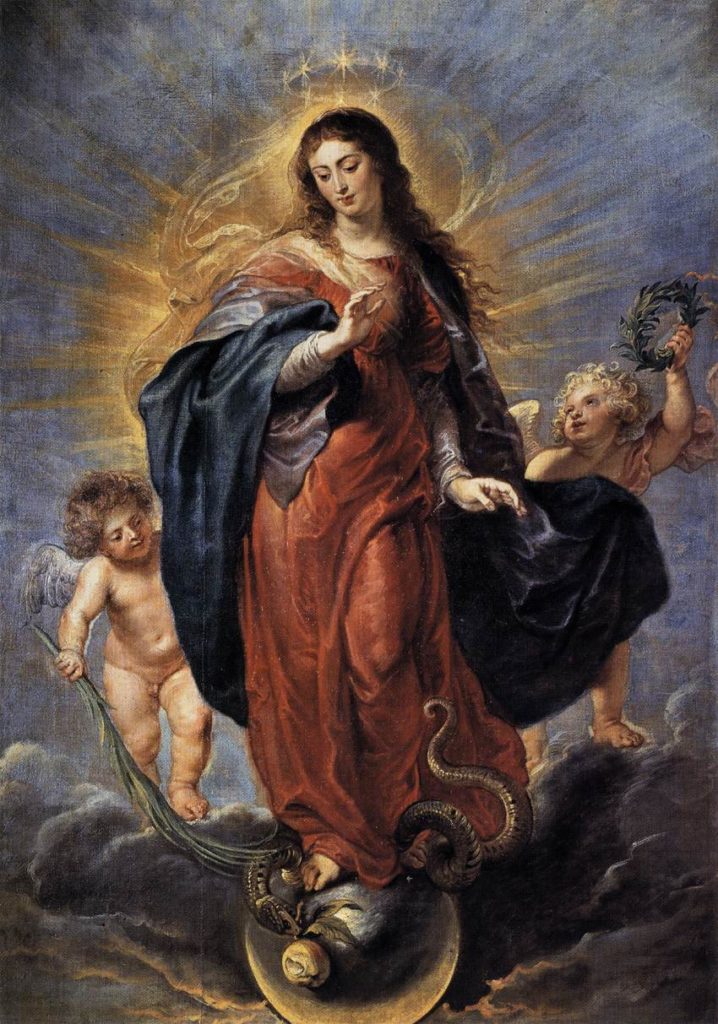
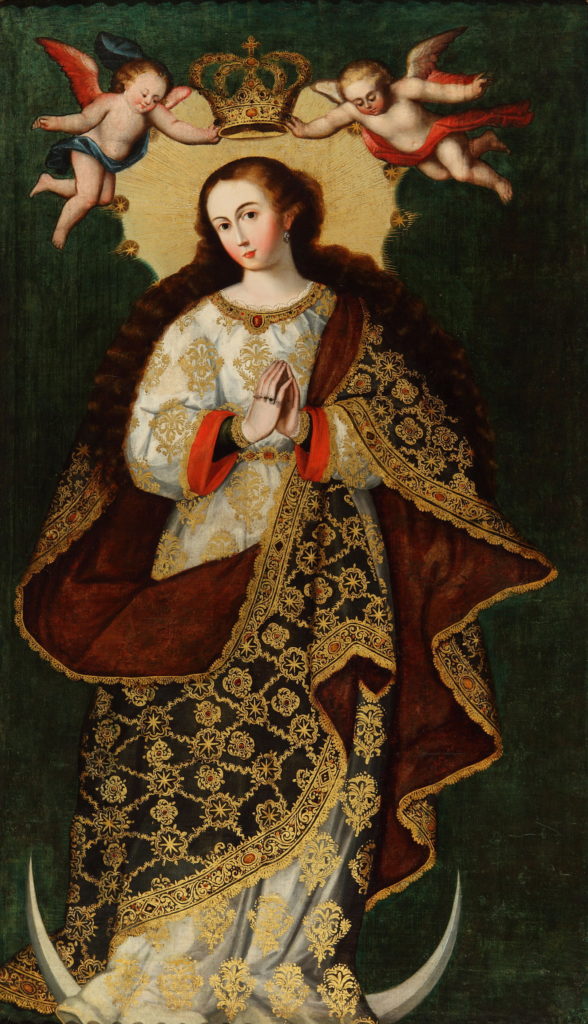
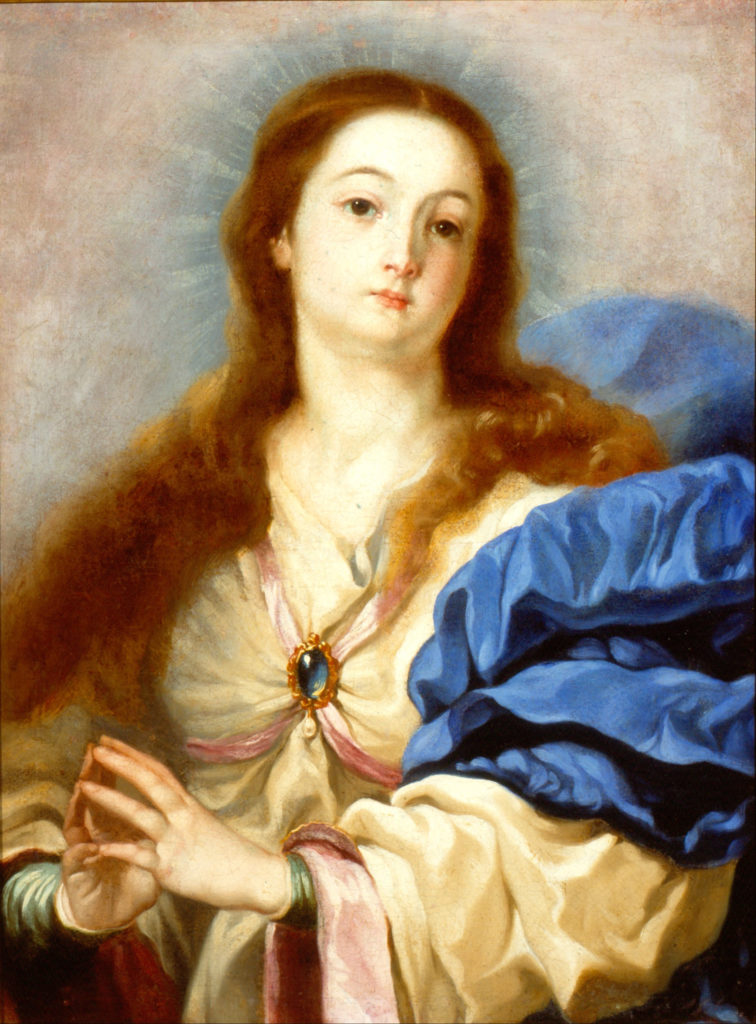
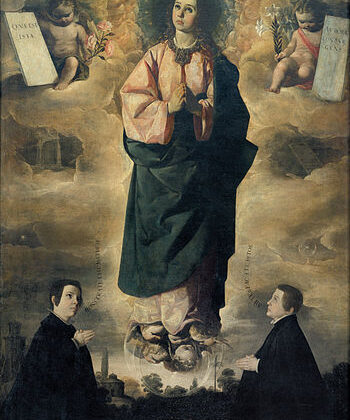
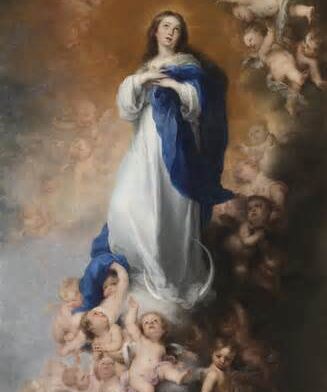
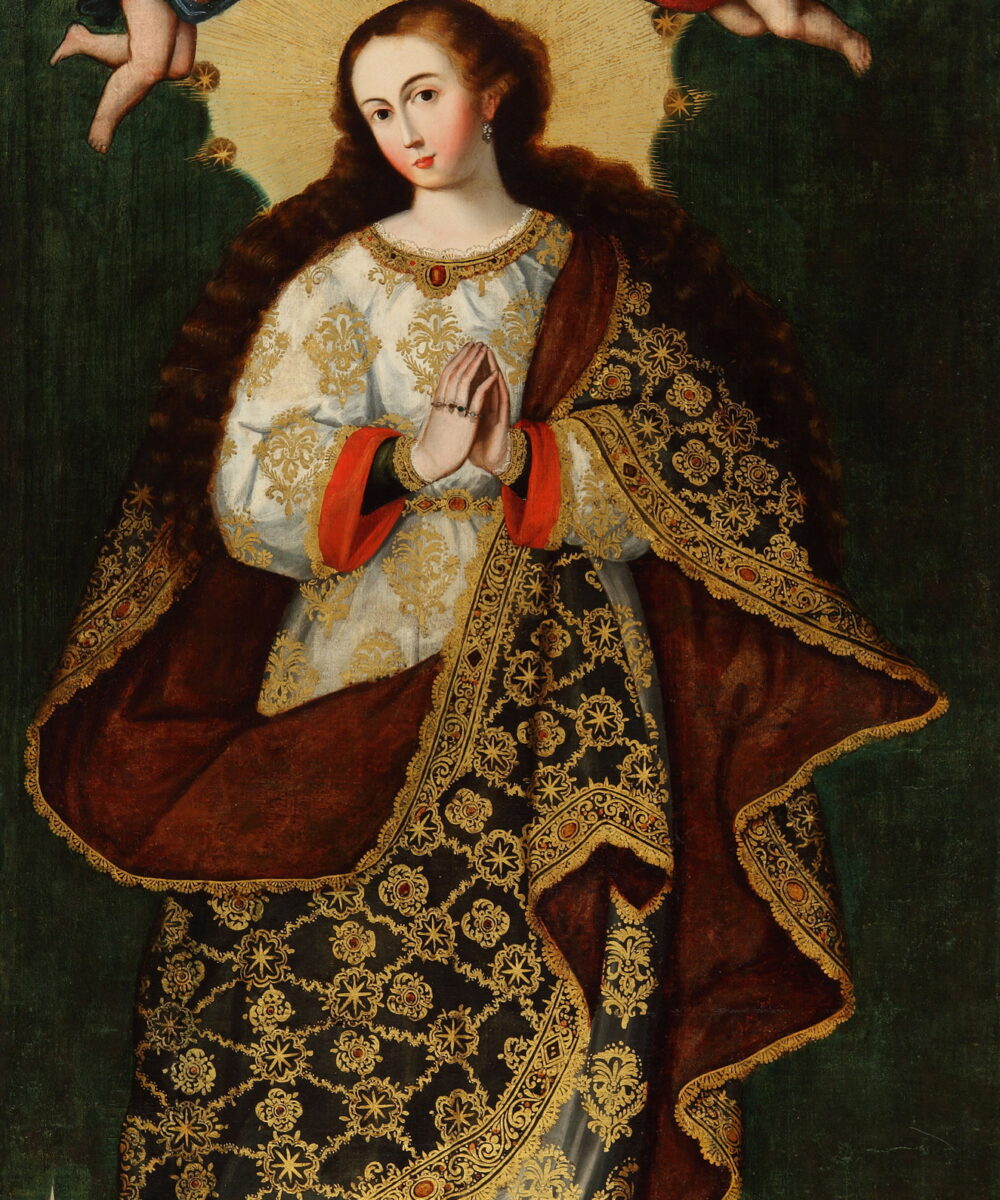
The Feast day of the Immaculate Conception is celebrated on Dec. 8 during the season of Advent. The feast day celebrates the belief that Mary was conceived without the stain of original sin. It is often misunderstood as the celebration of the conception of Jesus.
Mary under the title of the Immaculate Conception is the Patron Saint of Brazil and the United States.
The feast day became a celebration for the universal church in the 18th century. Pope Pius IX declare;
“The most Blessed Virgin Mary, in the first instant of her conception, by a singular grace and privilege granted by Almighty God, in view of the merits of Jesus Christ, the savior of the human race, was preserved free from all stain of original sin.”
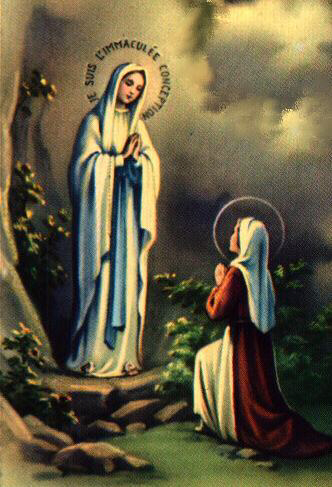
Mary herself confirmed her title to St. Bernadettesaying to her;
Confirmation season is here! During the Easter season Catholics and students preparing to come into the church will receive the sacrament of confirmation. They are searching for the patron saint who will be their role model and guide during their pilgrimage on earth.
When we receive the Rite of Confirmation, we are sealed with the gift of the Holy Spirit. The symbols of the Holy Spiritare tongues of fire, a dove, and the wind.
The Catholic Church believes in the Communion of Saints. Each baptized person is a member of this communion, the living and the dead. The saints are considered the Church Triumphant. The pilgrims on earth are considered the Church Militant (still defending the faith). We ask our patron saint to pray with us and for us as we face the trials on earth. The more prayer to God on our behalf the better!
During the rite of Confirmation, the Bishop prays over the candidate calling them by the name they have chosen as their confirmation name.He also anoints them with the oil of chrism. When a person is confirmed they receive the grace of the Holy Spirit. Come Holy Spirit, Come!
Are you searching for a patron saint?
The following twenty five popular female patron saints should be considered as you search for your role model and patron saint.
St. Agatha
St. Agatha
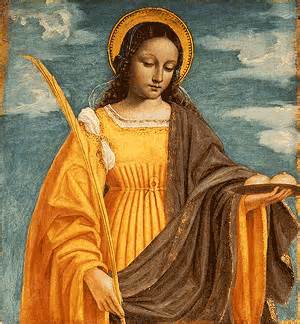
St. Agatha was born in Sicily, She is the patron saint of breast cancer. She was imprisoned and then tortured for her faith. During the torture, her breasts were amputated. In an apparition of St. Peter, she was healed. St. Agatha was a martyr for the faith. The feast day of St. Agatha is celebrated on Feb. 5.
St. Anne
St. Anne
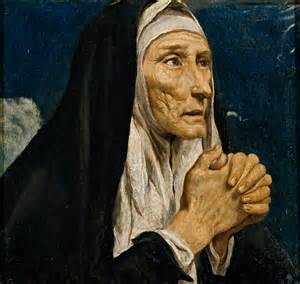
The feast day of St. Anne is July 26. She is the grandmother of Jesus and the mother of the Blessed Virgin Mary. She is the patron saint of mothers and grandmothers. St. Anne was married to St. Joachim. Tradition tells us they were both wealthy and pious.
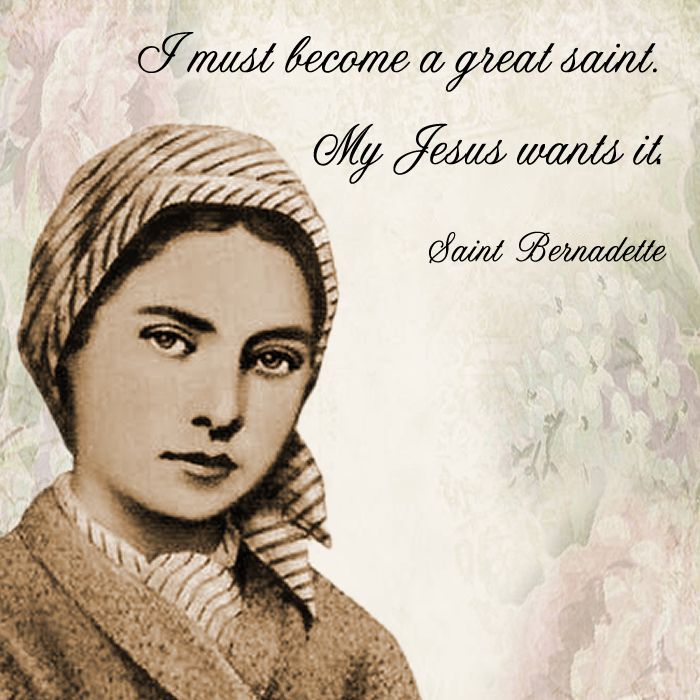
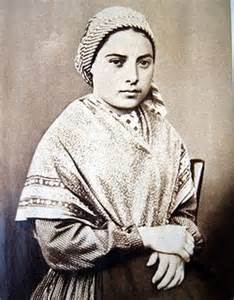
St. Bernadette
St. Bernadette
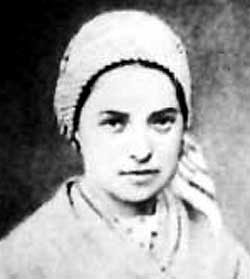
The feast day of St. Bernadette is April 16. She is the patron saint of bodily ills and orphans. While young, Bernadette suffered from digestive problems and asthma. Because of ill health Bernadette received the sacrament of the sick at least three times. St. Bernadette had a vision of the Virgin Mary when very young. At Lourdes France, she was told to dig in the mud by Our Lady. A spring appeared which resulted in many healings.
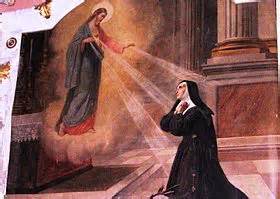
St. Catherine Laboure
St. Catherine Laboure’
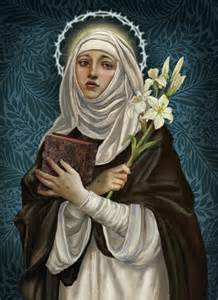
St. Catherine Laboure’ is a visionary and the patron saint of the Miraculous Medal. She was born on May 2, 1806 in France. The Virgin Mary appeared to her three times instructing her to have the medal made. The medal was eventually made and credited with many miracles. The medal became known as The Miraculous Medal. St. Catherine Leboure’s feast day is celebrated on Nov. 28.
St. Catherine of Siena
St. Catherine of Siena
St. Catherine of Sienais the patron of firefighters. She was born in Siena, Italy in 1347. At the age of six she began having mystical experiences. She often saw gaurdian angels. She became a Dominican tertiary at the age of 16 after having visions of Christ, Mary and the saints. She is considered a great writer. Some of her ecstasies included falling into fire unharmed. This is why she is the patron of firefighters. She received the stigmata (the wounds of Christ) and her body was found to be in-corrupt. St. Catherine’s feast day is celebrated on April 29.
St. Cecelia
St. Cecelia
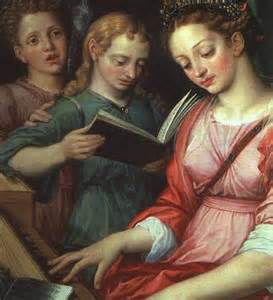
St. Ceceliais the patron saint of musicians. She was born in Rome. After seeing an angel praying at the side of his wife, Cecelia’s husband converted to the faith. St. Cecelia was arrested and martyred for her faith. An attempt to suffocate her failed after which she was beheaded. She is the patron of musicians because she heard music in her heart on her wedding day. St. Cecelia’s feast day is celebrated on Nov. 22.
St. Clare of Assisi
St. Clare of Assisi
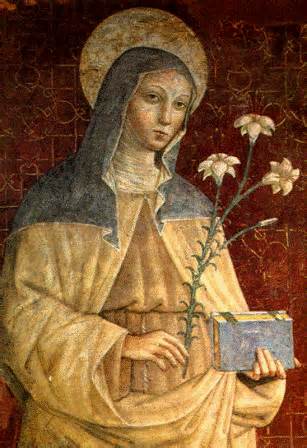
St. Clareis the patron saint of eye disease and communications. She was born in Assisi, Italy in 1194. After hearing St. Francis of Assisi preach on Palm Sunday, she joined the Franciscans. The women following St. Francis became known as “The Poor Clares”. They lived an enclosed life of prayer, away from the world and serving the sick. St. Clare’s feast day is Aug. 11.
St. Edith Stein
St. Edith Stein
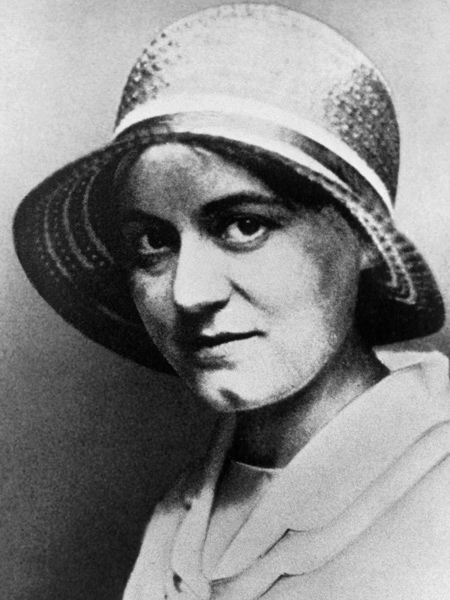
St. Edith Steinwas also known as St. Teresa Benedicta of the Cross. She is the patron saint of loss of parents and converts.. She was the youngest of a large Jewish family. In 1922 she was baptized into the Catholic Faith. When the Nazis conquered Holland she was arrested along with her sister and sent to Auschwitz. St. Edith Stein was sent to the gas chambers and died a martyr at the age of 51 in 1942. Her feast day is celebrated on Aug. 9.
St. Elizabeth Ann Seton
St. Elizabeth Ann Seton
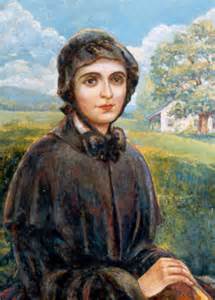
St. Elizabeth Ann Seton is the patron saint of in-law troubles and loss of children. She grew up in New York City and married William Seton. Within four years, she suffered the death of her father in-law which left William in charge. His business failed forcing bankruptcy. They moved to Italy to help his health. He died of tuberculosis in Italy. Elizabeth grew close to God. She became Catholic and had a devotion to the Virgin Mary. She established the first Catholic school in America. On March 25, 1809 she took a vow of poverty, chastity, and obedience. She became Mother Seton. Elizabeth. died in 1821 of tuberculosis at age 46. The feast day of St. Elizabeth Ann Seton is celebrated on Jan. 4.
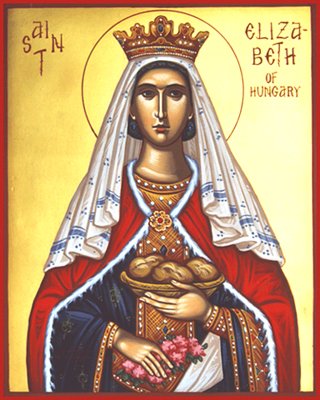
St. Elizabeth of Hungary
St. Elizabeth of Hungary
St. Elizabeth of Hungaryis the patron saint of widows , the homeless and young brides.
She was the daughter of the King of Hungary and married at age 14 to Louis of Thuring. Deeply in love, her husband died in the crusades after six years of marriage. Her in-laws disliked her generosity and threw her out of the palace. St. Elizabeth of Hungary served the poor and the sick. In 1218 she joined the Secular Franciscan Order and worked in a hospital she founded in honor of St. Francis. She died at the age of 23 in 123l. The feast day of St.Elizabeth of Hungary is celebrated on Nov. 17.
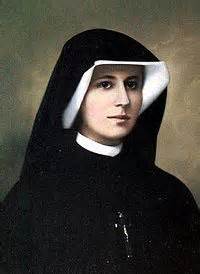
St. Faustina
St. Faustina
St. Faustinais the patron saint of Divine Mercy. She was born in Poland in 1905. She entered the Congregation of the Sisters of Our Lady of Mercy whose mission is the poor and education. She took the name Sister Maria Faustina. She received a message from our Lord to spread the message of his mercy to the world. She wrote about the mercy of God in her Diary which is now published. Divine Mercy is now celebrated on the Sunday after Easter. Sister Faustina died in Oct. 1938. The feast day of St. Faustina is celebrated on Oct. 5.
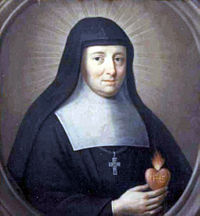
St. Jane Frances de Chantal
St. Jane Frances de Chantal
St. Jane Frances de Chantal is the patron saint of forgotten people and widows. She was born in Dijon, France in 1572. She married the Baron de Chantal (Christophe) at the age of 20. They had four children before he was killed in a hunting accident. With the aid of St. Frances de Sales, Jane founded the Visitation Order. She wrote many letters of spiritual direction. She died in 1641 at 69 years old. We celebrate the feast day of St. Jane Frances de Chantal on Aug. 12.
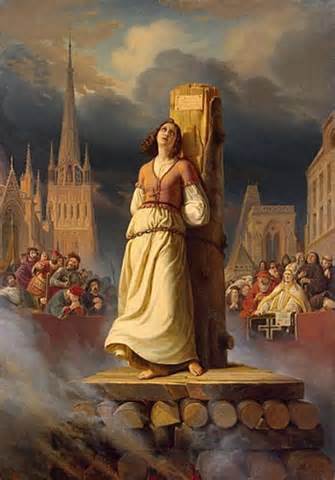
St. Joan of Arc
St. Joan of Arc
St. Joan of Arc was born in 1412 in France. She is the patron saint of soldiers and France. While very young she heard messages from St. Michael, St. Catherine and St. Margaret. They told her to go to the King of France and help him reconquer his kingdom. The 17 year old girl was given a small army with which she achieved success. She was captured and sold to the English. Joan of Arc was burned at the stake on May 30, 1431. We celebrate her feast day on May 30.
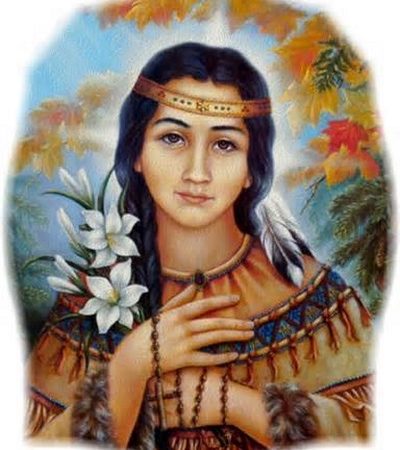
St. Kateri Takakwitha
St. Kateri Tekakwitha
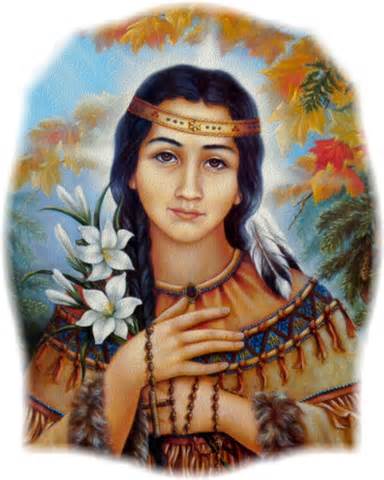
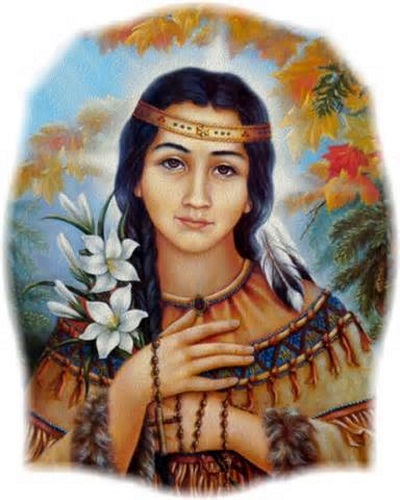
St. Kateri Takakwitha is the patron saint of the environment. She is the first Native American saint. She was born in 1656 to the daughter of a Mohawk warrior and a Catholic Alqonquin. Father Jacques de Lambertville, a Jesuit missionary baptized her. She was devoted to prayer and penitenial practices. She also cared for the sick and aged. At the age of four her mother and brother died of smallpox. Kateri’s face was scarred by the disease and she became almost blind. St. Kateri died during Holy Week. Within 15 minutes of death her face was healed of its scars. She appeared to many people after her death, always carrying a cross. We celebrate St. Kateri’s feast day on July 14.
St. Margaret Mary
St. Margaret Mary
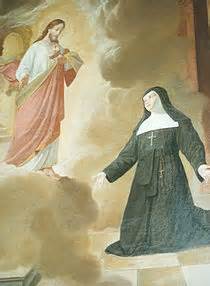
St. Margaret Mary is the patron saint of polio victims. She was born in 1647 in Burgundy, France. She was bedridden for five years as a child with rheumatic fever. She had a devotion to the Eucharist. Refusing marriage, she entered the Visitation convent. St. Margaret Mary was a visionary. She had visions of Christ which instructed her to spread the devotion to the Sacred Heart of Jesus. Eventually the devotion was officially approved. We celebrate the feast day of St. Margaret Mary on Oct. 17.
St. Maria Goretti
St. Maria Goretti
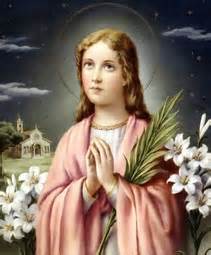
St. Maria Goretti is the patron saint of rape victims, youth and purity. She was born in Italy on Oct. 16, 1890 to a farm worker. Her father died of malaria leaving her mother struggling to feed her children. At the age of 12 she was attacked by an 18 year old neighbor who tried to rape her. When she resisted he stabbed her. Before she died a martyr in the hospital, she forgave him. However, he was sentenced to 30 years. He was unrepentant until he had a dream. Maria appeared to him and gave him flowers. It changed him forever. When he left prison, he attended the canonization of St. Maria Goretti in St. Peter’s Square. St. Maria Goretti’s feast day is celebrated on July 6.
St. Martha
St. Martha
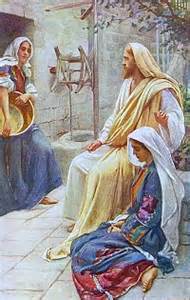
St. Marthais the patron saint of housewives, domestic workers and cooks. She lived in Bethany at the time of Jesus. She was a devoted follower and had a sister named Mary. Martha is most known for the story in the gospel Luke 10:38-42 which tells us the story of Jesus being a guest in their home. She is busy in the kitchen while Mary is sitting listening to Jesus. When Martha goes to Jesus complaining “Lord, do you not care that my sister has left me to do all the work by myself? Tell her then to help me.” Jesus responded by saying “Martha, Martha, you are worried and distracted by many things; there is need of only one thing. Mary has chosen the better part, which will not be taken away from her.” We celebrate the feast day of St. Martha on July 29.
St. Mary Magdalene
St. Mary Magdalene
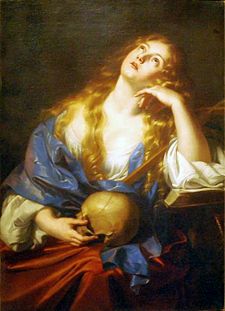
St. Mary Magdalene is the patron saint of penitent women. She was a devoted disciple of Jesus. Jesus cast out seven demons from her. Because of the sorrow she had for her sins she anointed Christ with her tears and dried His feet with her hair. Mary Magdalene was present at the crucifixion of Jesus. She is the one who discovered His body missing from the tomb. She is honored by being the first person to whom Christ appeared to after His Resurrection. She reported seeing Him by exclaiming to the other disciples. “I have seen the Lord!”
The feast day of St. Mary Magdalene is celebrated on July 22.
Mary, Mother of God
Mary, Mother of God
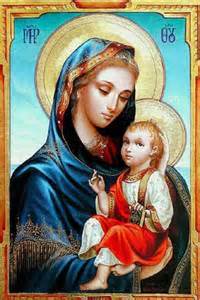
Mary is the Mother of God. She is also considered the Queen of Saints because Jesus is our King.. She is the spiritual mother of all of us. Mary is the patron saint of all of humanity, mothers, the suffering and families.
The Archangel Gabrielappeared to Mary telling her she would have a child. He said, “Hail, full of grace, the Lord is with you.” He continued saying, “Fear not, Mary for you have found grace with God. Behold you shall conceive in your womb and shall bring forth a son and you shall call his name Jesus. He will be great and will be called the Son of the Most High and the Lord God will give to him the throne of his ancestor David. He will reign over the house of Jacob forever and of his kingdom there will be no end. Mary responded, “How can this be?” The angel answered “The Holy Spirit will come upon you and the power of the Most High will overshadow you. Therefore the child will be holy. He will be called Son of God and now your relative Elizabeth in her old age has conceived a son and is in her sixth month for her who was said to be barren. For nothing is impossible. with God.” Mary responded, “Behold the handmaid of the Lord, be it done to me according to thy word.” Then the angel departed.
We celebrate many feast days to honor Mary. The feast day of Mary, the Mother of God is celebrated on January 1st.
St. Monica
St. Monica
St. Monicais the patron saint of mothers, alcoholism and troubled marriages. She was born in Africa in 331. Married to an abusive alcoholic pagan, they had three children. St. Augustine was her son. He left the church when young to live a wild life. Monica prayed constantly for his return to the faith. Eventually, he returned to the faith becoming a priest, then a Bishop. St. Monica’s husband converted to the faith before he died. St. Monica’s feast day is celebrated on Aug 27,celebrated on Aug 27,
St. Rita
St. Rita
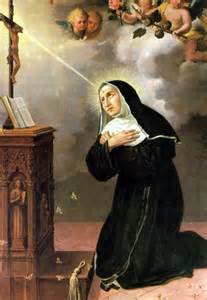
St. Rita is the patron saint of impossible cases. When she was young she desired to enter the convent. However a marriage was arranged. Her husband was violent and abusive. After twenty years of marriage her husband was stabbed to death. Her two sons also died leaving Rita alone in the world. She joined an Augustinian convent at Cacia Umbria. After praying, “Please let me suffer like you Divine Savior.” Rita was wounded by a thorn on her forehead. It would not heal and caused her to suffer until her death on May 22, 1457.
The feast day of St. Rita is May 22.
St. Teresa of Avila
St. Teresa of Avila
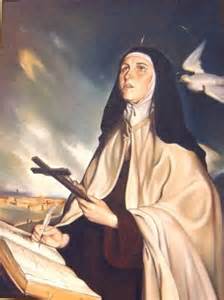
St. Teresa of Avila is the patron saint of headache sufferers. She was born in Spain in 1515. Her mother died when she was 14. Her father placed her in a convent to protect her from the world. She struggled to balance her love of God with her need for friends and fun. She eventually joined the Carmelite Order. She was a mystic and a poet and an author. She is considered a Doctor of the Church Her feast day is celebrated on Oct. 15.
Bl. Teresa of Calcutta Public Domain Image
St. Teresa of Calcutta
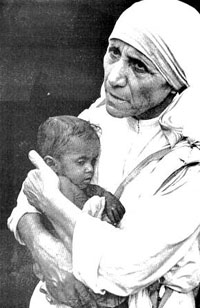
St. Teresa of Calcuttais the patron saint of World Youth Day, the poorest of the poor, and the dying. She joined the Institute of the Blessed Virgin Mary, known as the Sisters of Loreto. Born in Skopje, her birth name was Agnes Ganxha Bojaxhiu. She became Sister Mary Teresa after St. Therese of Lisieux. In 1946, she had a “call within a call”. She heard Jesus say “Come be My light”. She formed the Missionaries of Charity and served the sick and dying in Calcutta, India. Mother Teresa became known to the world as a living saint. She died on Sept. 5, which is the day we celebrate her feast day.
St. Therese of Lisieux
St. Thérèse of Lisiuex
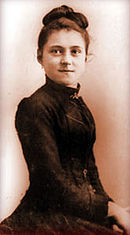
St. Thérèse of Lisiuex is the patron saint of missions. She is also a Doctor of the Church. She was born in 1873 in France. St. Thérèse became known as the “Little Flower” because of her statement, “The only way I can prove my love is by scattering flowers and these flowers are every little sacrifice, every glance and word and the doing of the least action for love.” Her spirituality is known as “The little way”. She believed in trusting Jesus to make her holy and relying on small sacrifices instead of great deeds to find holiness. She is the author of “The Story of a Soul”. The feast day of St. Thérèse is celebrated on Oct. 1.
St. Veronica
St. Veronica
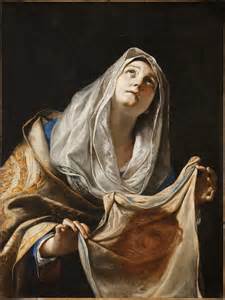
St. Veronica is the patron saint of photographers. Little is known about Veronica. She was a follower of Jesus and present during his crucifixion. While Jesus carried the cross, she was moved with compassion. She knelt in front of Jesus and used her veil to wipe his face clean. Her kindness is commemorated on the sixth station of the cross prayed by the church. The soldiers pushed Veronica away and she later discovered the imprint of Christ’s face on her veil. It is believed that Veronica left her veil in the care of Pope Clement I, the successor to St. Peter. St. Veronica’s feast day is celebrated on July 12
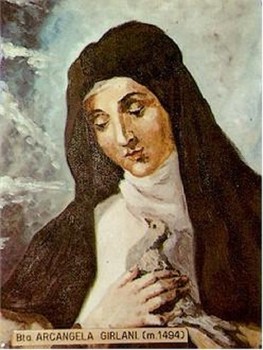
The Feast Day of Bl. Archangela Girlani is celebrated on Jan. 29.
Bl. Archangela Girlani was born to a noble family at Trino, Italy in 1460. She was educated by the Benedictines. From early childhood she wished to become a BenedictineNun. However, on the way to the convent her horse refused to cooperate and take her there. She took this as a sign and decided to follow in the footsteps of her two sisters Maria and Frances (Scholastica) who had joined the Carmelite Order. At the age of 17, she enter the Carmelite Order, taking the name Archangela. In time she became the prioress, a position she held until her death.
Bl. Archangela was known for her mystical visions. While meditating on the mysteries of the faith, she experienced ecstasies and miracles. She had a special devotion to the Holy Trinity.
After three years as prioress, she became seriously ill. Bl. Archangela died peacefuly after saying the following words;
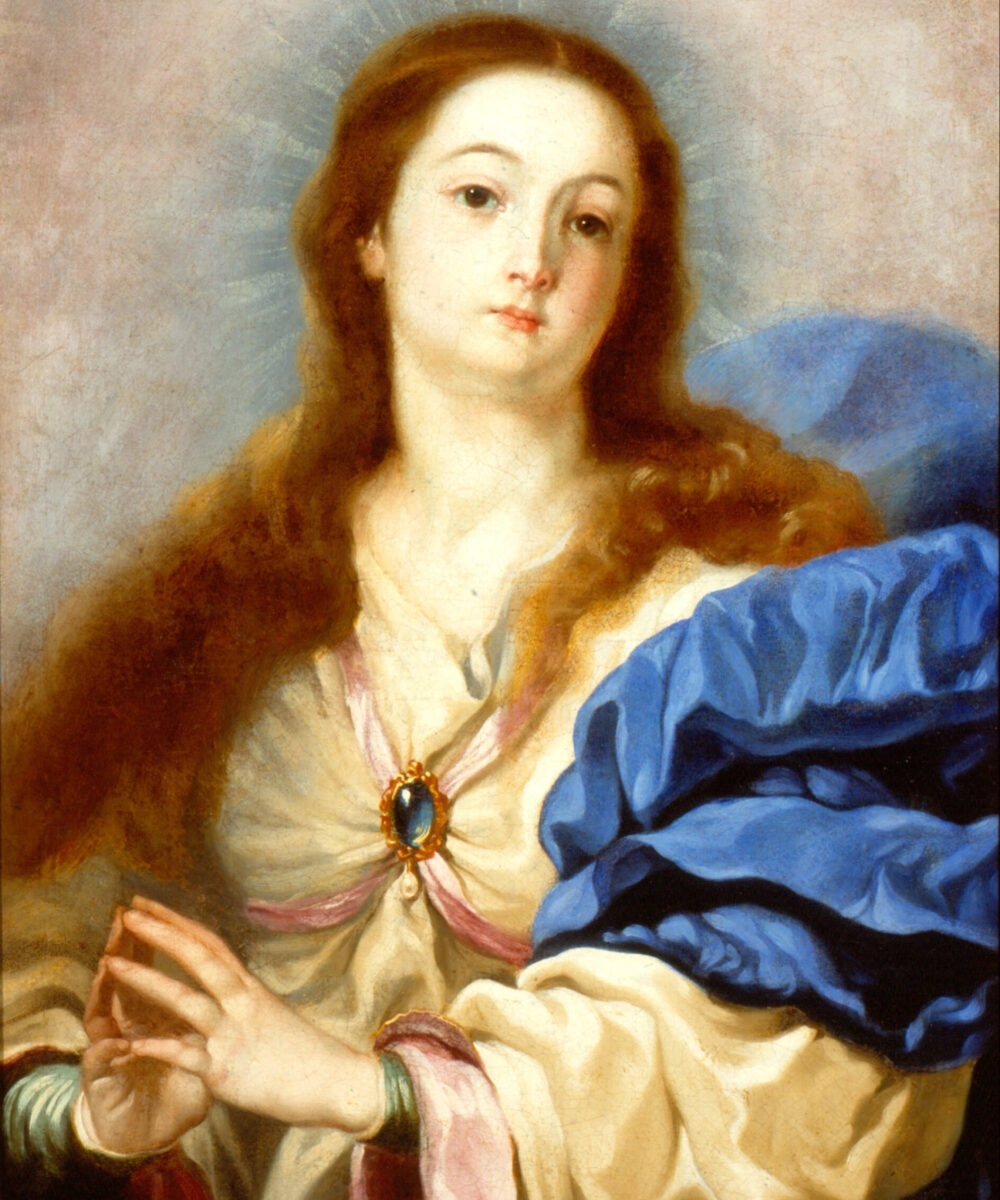
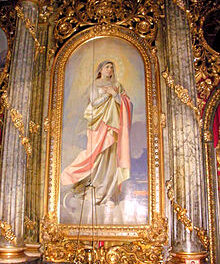
The Feast day of the Immaculate Conception is celebrated on Dec. 8 during the season of Advent. The feast day celebrates the belief that Mary was conceived without the stain of original sin. It is often misunderstood as the celebration of the conception of Jesus.
Mary under the title of the Immaculate Conception is the Patron Saint of Brazil and the United States.
The feast day became a celebration for the universal church in the 18th century. Pope Pius IX declare;
“The most Blessed Virgin Mary, in the first instant of her conception, by a singular grace and privilege granted by Almighty God, in view of the merits of Jesus Christ, the savior of the human race, was preserved free from all stain of original sin.”
Mary herself confirmed her title to St. Bernadettesaying to her;
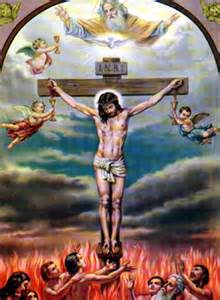
Learn what the Saints believed about Purgatory. The quotes of the saints can teach us the beliefs of the early Church.
Halloween is celebrated on Oct. 31. Halloween stands for “All Hallows Eve.” It falls on the night before All Saint’s Day which is followed by All Soul’s Day on Nov. 2. On All Saint’s Day the Church celebrates the lives of the Saints. On All Soul’s Day the Church prays for the dead, who are on their pilgrimage to heaven (Purgatory).
Although the word Purgatory (as well as the words Trinity and Incarnation) does not appear in the Bible there are several references to it in both the New and the Old Testament. The Saints have testified to their belief in purgatory also.
The three main reasons Catholics believe in Purgatory are the following:
The Bible teaches us to “pray for the dead”.
(2 Maccabees 12:44-45). For if he were not expecting that those who had fallen would rise again, it would have been superfluous and foolish to pray for the dead. But if he was looking to the splendid reward that is laid up for those who fall asleep in godliness, it was a holy and pious thought. Therefore he made atonement for the dead, that they might be delivered from their sin.
The Bible tells us of a cleansing fire.
(Hebrews 12:29) Our God is a consuming fire. Zechariah 13” 8-9 In the whole land, says the Lord, two thirds shall be cut off and perish, and one third shall be left alive. And I will put this third into the fire, refine them as one refines silver, and test them as gold is tested. They will call on my name, and I will answer them. I will say,
“They are my people”, and they will say, “The Lord is our God.”
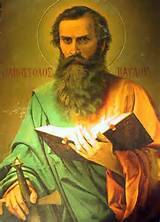
St. Paul prayed for the dead. (2 Timothy 1: 17-18) St. Paul prays for Onesiphorus who has died.
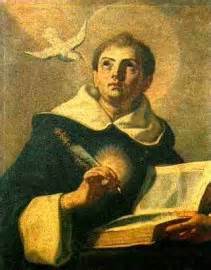
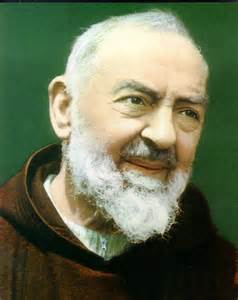
The Church Fathers and early Saints believed in Purgatory: The Church Fathers have a long tradition of praying for the dead. St. Augustine was asked by his mother Monica to pray for him at the altar. St. Gertrude the Great had a devotion to the Souls in Purgatory, as did St. Pio, St. Bridget and St. Bernadette.
The following quotes from the saints of the Catholic Church show that purgatory is a belief that has always existed in the church.
“May the Lord grant mercy to the household of Onesephores, for he often refreshed me and was not ashamed of my chain….. May the Lord grant him to find mercy from the Lord in that day!
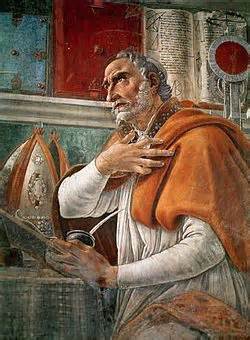
2. St. Augustine of Hippo, Africa d. 430, Feast Day August 28
“Some suffer temporal punishments only in this life, others only after death, still others both in life and after death, but always before this most strict and most final court.”
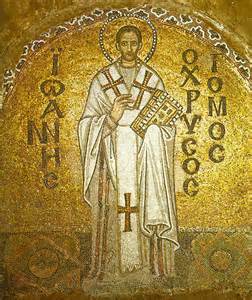
4. St. John Chrysostom; Antioch 344-407 Feast Day Sept. 13
“Let us help and commemorate them. If Job’s sons were purified by their fathers sacrifices why would we doubt that our offerings for the dead bring them some consolation? Let us not hesitate to help those who have died and to offer our prayers for them.”
5. St. Gertrude the Great; Germany 1256-1302 Feast Day Nov. 16
“Eternal Father, I offer Thee the most precious Blood of Thy Divine Son , Jesus, in union with the Masses said throughout the wold today, for all the holy souls in Purgatory, for sinners everywhere, those in the Universal Church, in my home and in my family. Amen“
Quote of St. Gertrude
St. Catherine of Genoa
6. St. Catherine of Genoa; Italy 1447-1510 Feast Day Sept. 15
“No one is barred from heaven. Whoever wants to enter heaven may do so because God is merciful. Our Lord will welcome us into glory with his arms wide open. The Almighty is pure however, and if a person is conscious of the least trace of imperfection and at the same time understands that Purgatory is ordained to do away with such impediments, the soul enters this place of perfection gladly to accept so great a mercy of God. The worst suffering of these suffering souls is to have sinned against Divine Goodness and not to have been purified in this life.”
Quote of St. Catherine of Genoa
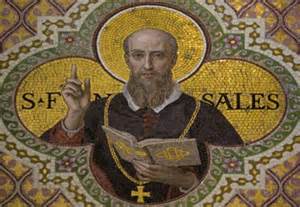
St. Francis de Sales
7. St. Francis de Sales; France 1567-1622 Feast Day Jan. 24
“With Charity towards the dead we practice all the works of charity. The Church encourages us to aid the souls in purgatory, who in turn will reward us abundantly when they come into their glory.”
Quote of St. Francis de Sales
St. Margaret Mary
8. St. Margaret Mary; France 1647-1690 Feast Day October 16
“If only you knew with what great longing these holy souls yearn for relief from their suffering. Ingratitude has never entered Heaven.”
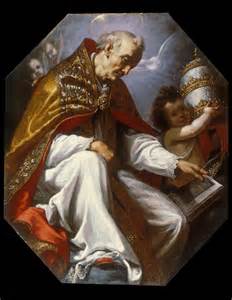
9. St. Gregory the Great; Italy 540-604 Feast Day Sept. 3
“Each one will be presented to the Judge exactly as he was when he departed this life. Yet there must be a cleansing fire before judgement because of some minor faults that may remain to be purged away.”
10. St. Thomas Aquinas; Naples, Italy 1226-1274 Feast Day Jan. 28
“The more one longs for a thing, the more painful does deprivation of it become. And because after this life, the desire for God, the Supreme Good, is intense in the souls of the just (because this impetus toward him is not hampered by the weight of the body and that time of enjoyment of the “Perfect Good would have come) had there been no obstacle, the souls suffers enormously from this delay.”
Quote of St. Thomas Aquinas
St. Faustina
11. St. Faustina; Poland 1905-1938
“O Jesus, I understand that your mercy is beyond all imagining, and therefore I ask you to make my heart so big that there will be room in it for the needs of all the souls living on the face of the earth. O Jesus, my love extends beyond the world, to the souls suffering in purgatory, and I want to exercise mercy toward them by means of indulgenced prayers. God’s mercy is unfathomable and inexhaustible, just as God himself is unfathomable. Even if I were to use the strongest words there are to express this mercy of God, all this would be nothing in comparison with what it is in reality. O Jesus, make my heart sensitive to all the sufferings of my neighbor, whether of body or of soul. O my Jesus, I know that You are toward us as we are toward our neighbor.”
Quote of St. Faustina
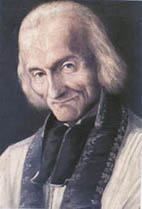
St. John Vianney
12. St. John Vianney; France 1786-1859 Feast Day August 4
“It is definite that only a few chosen ones do not go to Purgatory and the suffering there that one must endure exceed our imagination.”
“May the prayer of thy suppliant people, we beseech Thee, O Lord, benefit the souls of thy departed servants and handmaids: that thou may both deliver them from all their sins, and make them to be partakers of thy redemption. Amen
Eternal rest grant to them, O lord and let perpetual light shine upon them. Amen
May their souls and the souls of the souls of all the faithful departed through the mercy of God rest in peace. Amen“
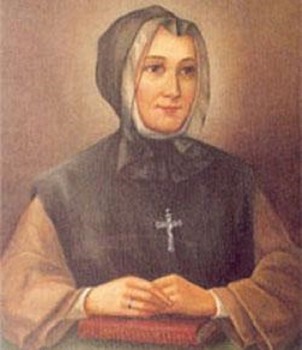
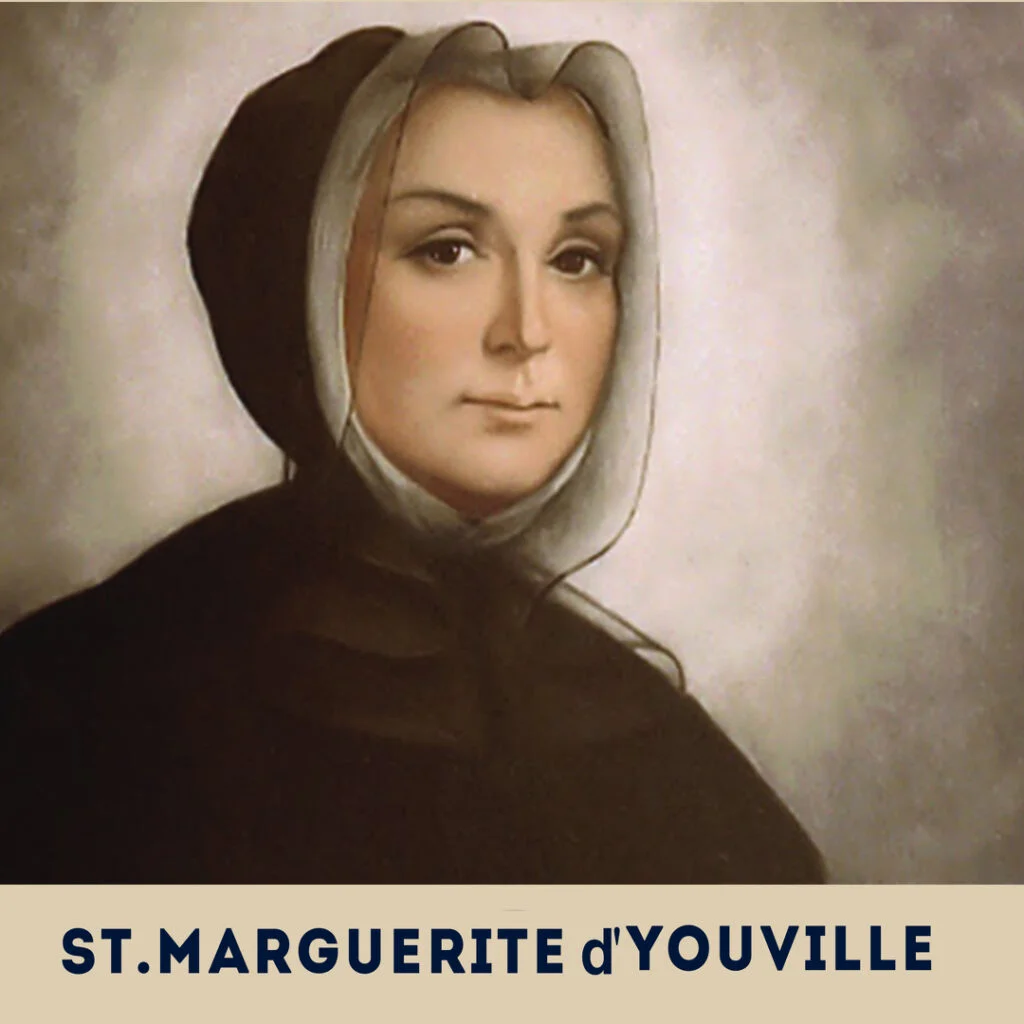
The Feast Day of St. Marguerite d’Youville is celebrated on April 11. In Canada it is celebrated on October 16.
St. Marguerite d’Youville was born in Quebec on October 15, 1701. She studied under the Ursulines and married Francois d’Youville in 1722. Her husband died in 1730 leaving her poor with six children. Four of her six children died in infancy. She educated her two sons to become priests. To pay off the debt her husband had left she opened a dry goods store.
In 1727, she and three other women founded the Sisters of Charity becoming known as the Grey Nuns. They fought for the rights of the poor, caring for the homeless, sick and destitute. She also became the Directress of General Hospital in Montreal.
St. Marguerite d’Youville died on Dec. 23. 1771. Pope John Paul II canonized her on Dec. 9, 1990 calling her the Mother of Universal Charity. Over 3000 women belong to the Grey Nuns today.
The Feast Day of St. Mary of Cleophas is celebrated on April 9.
Three women stayed near Jesus on the day of the Crucifixion. St. Mary of Cleophas was one of these fearless women. She is believed to be the mother of St. James the Less and the wife of Cleophas. It is possible that she was the sister in law to the Bl. Virgin Mary, as Cleophas is believed to be the brother to St. Joseph.
Many legends surround St. Mary of Cleophas. One such legend says that Mary of Cleophas was put on a boat with others by the Jews in the year 47 and pushed out to sea without oars. She died in France. After her miraculously safe journey from Jerusalem she landed on an Island which is now named les Saintes-Maries- de-la-Mer (The Holy Marys of the Sea). It was named after St. Mary of Cleophas, St. Mary Magdalen, and St. Mary Salome.
The Gospel of John 19:25 states: “meanwhile, standing near the cross of Jesus were his mother, and his mother’s sister, Mary the wife of Cleophas, and Mary Magdalene.
While it is uncertain how Mary of Cleophas is related to Jesus, there is no doubt that she was one of his disciples. She was present with the Virgin Mary at the time of his death. In a time of grave danger she showed great love and compassion for Our Lord. Each of us needs to have the courage of St. Mary of Cleophas as we try to be Christian disciples.
“Let us meet at the foot of the cross, where we will find strength and courage.”
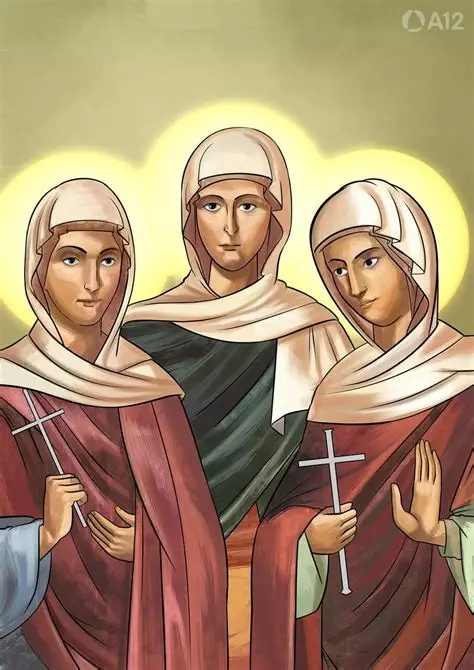
Sts. Irene, Agape and Chionia were sisters living in Salonika. Their feast day is celebrated on April 3. They lived during the reign of Emperor Diocilian in a pagan family. In 303 he issued a decree making it an offense punishable by death to possess sacred Christian writings. The sisters owned several volumes of Holy Scriptures which they kept hidden.
The three sisters were arrested for refusing to eat food that had been offered to the Gods. The governor (Dulcetius) questioned each of them. Agape answered his questions by saying…
“I believe in the living God and will not by an evil action
lose all the merit of my past life”
St. Chionia and St Agape were sentenced to be burned alive. Irene, because of her age was to be imprisoned. After her sisters were executed, the house was searched and the forbidden books were found. Irene was sent to a brothel where she was forced to strip naked. Miraculously she was protected from harm. After once again refusing to conform she was sentenced to death. She died either by being forced to throw herself into flames or by being shot in the throat with an arrow. The books were publicly burned after her death.
The martyrdom of the three sisters is recorded in an existing document.
“It is in loving the cross that one discovers his heart.”
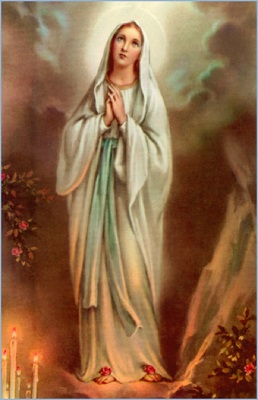
The feast day of Our Lady of Lourdes is celebrated on Feb. 11.
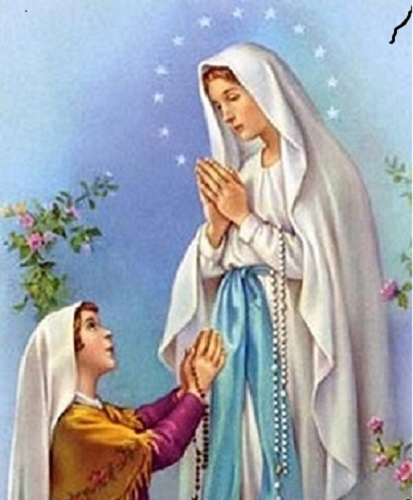
Our Lady of Lourdes is the patron saint of bodily ills. Our lady first appeared to St. Bernadette in Lourdes, France on Feb. 11, 1858. Bernadette was a poor shepherdess who was only 14 years old. Our Lady actually appeared to her eighteen times.
During the first vision Bernadette saw a bright light and a beautiful lady dressed in a brilliant white dress adorned with a blue ribbon. A long veil covered her body from her head to her feet. Her hands were clasped as if praying and she carried a white and gold rosary with a gold cross in her hands. Bernadette took her rosary out of her pocket and guided by Our Lady they prayed the rosary. After praying, the vision ended. Bernadette asked the girls with her if they had seen anything and they said no. She told them not to say anything however her sister told their mother who did not believe the story.
On Feb. 14, Bernadette returned to the Grotto where the vision had happened. She asked those with her to pray the rosary. When Our Lady appeared again, Bernadette’s face was transfigured. She sprinkled the holy water which had been given her and said, “If you come from God, come near us.” The holy water touched Our Lady and she smiled and came closer. They began to pray the rosary together.
On Feb.18, St. Bernadette was accompanied after Mass by a lady and a religious. When she began praying, Our Lady appeared again and they all prayed the rosary. Our Lady asked Bernadette to return for 15 consecutive days. Bernadette promised she would do so. Our Lady said, “I also promise to make you happy, not in this world, but in the next.”
Bernadette went to the Grotto with a lit candle for the next 15 days. Hundreds of people began coming with her. On Feb. 21. Bernadette observed that Our Lady seemed sad. She asked her “What is wrong? What can I do?” Our Lady said,
“Pray for sinners.”
A doctor examined Bernadette and concluded there was nothing wrong with her. Bernadette was ridiculed nonetheless. On Feb. 23, Our Lady requested that a Sanctuary be built on the site. She told Bernadette to talk to the priest. When the priest asked her the name of the lady Bernadette did not know. The priest told her he needed a miracle and she should ask the lady for the rose bush to blossom.
On Feb. 25, Our Lady told Bernadette to drink from the fountain. Puzzled, Bernadette looked around for water. She discovered water coming up from the ground which soon became a pool of water. On Feb. 26 Our Lady revealed to Bernadette her name saying, “I am the Immaculate Conception”. During one apparition people witnessed Bernadette praying for fifteen minutes with the candle flame burning through her fingers. She remained unharmed.
The last apparition occurred on the Feast of Our Lady of Mt. Carmel. Many miracles of healing have been attributed to he healing waters of Lourdes. St. Bernadette joined the Sisters of Charity seeking God in the silence of the convent. She died on April 16, 1879. The message of Our Lady of Lourdes is timeless…….Pray for sinners!